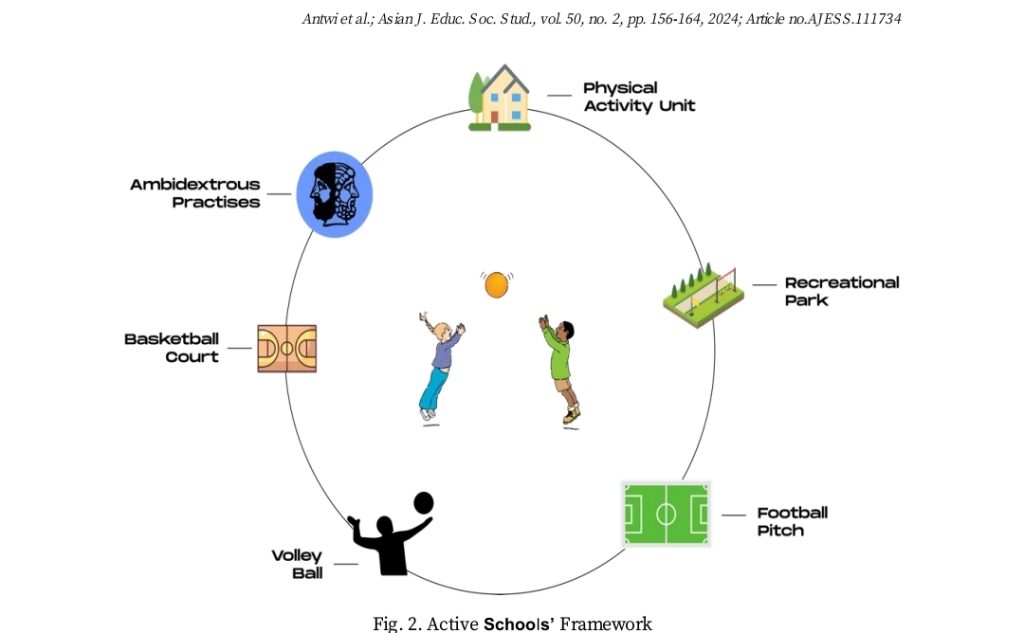
Lack of structures affecting healthy growth of public school children – Researcher



Aim: Examination of how ambidextrous organisational practices can be used to advance
the management of public basic schools in accepting behaviours that can improve physical
activities of children.
Methodology: Drawing on extant literature and desk review of policy documents including school
reports, we examine physical activities in public basic schools in Ghana and then explore three key
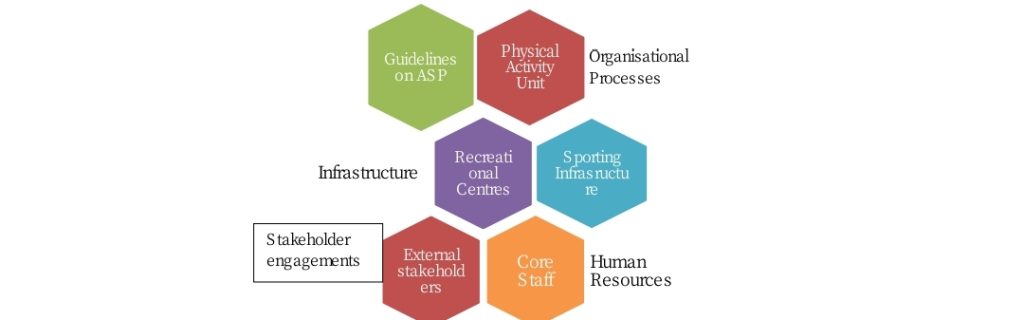
developmental systems – managerial responsiveness, healthcare variation and educational development and highlight four areas from these systems; organisational processes, infrastructure
development, human resource improvements, and stakeholder collaboration where policy makers
can focus their efforts to improving physical activity in school children in Ghana.

Findings: The findings demonstrate a seeming absence of structures for physical activity in public
basic schools in Ghana – presenting severe consequences, especially for the healthy growth of
children, proper integration of children into society, learning processes, and developing talents for
future sporting activities in general. Again, the analysis shows that the Ghana Education Service’s
implementation guidelines for physical activity in public basic schools are not yielding the needed
results – thus provoking policy dialogues in managerial practices for effective implementation of
those guidelines. Next, we propose the promotion of physical activity in public basic schools in
Ghana through sustainable and pragmatic approaches drawing from ambidextrous managerial
practices to strengthen organisational capacity in the schools for improvements in movement
behaviours, lifestyle changes, active learning, and physical activity levels of school children.
READ MORE BELOW
https://doi.org/10.9734/ajess/2024/v50i21267

Conclusion: Practical approaches are needed to enhance the physical activity for children and this
requires the initiation of active schools’ programme in public basic schools – and clearly learning
from best practices in the last decades, examples from other countries provide a really useful
approach in the years ahead.